

£1 Became £22.30: 30 Years of UK Buy-to-Let Returns, and the Streak Isn't Over
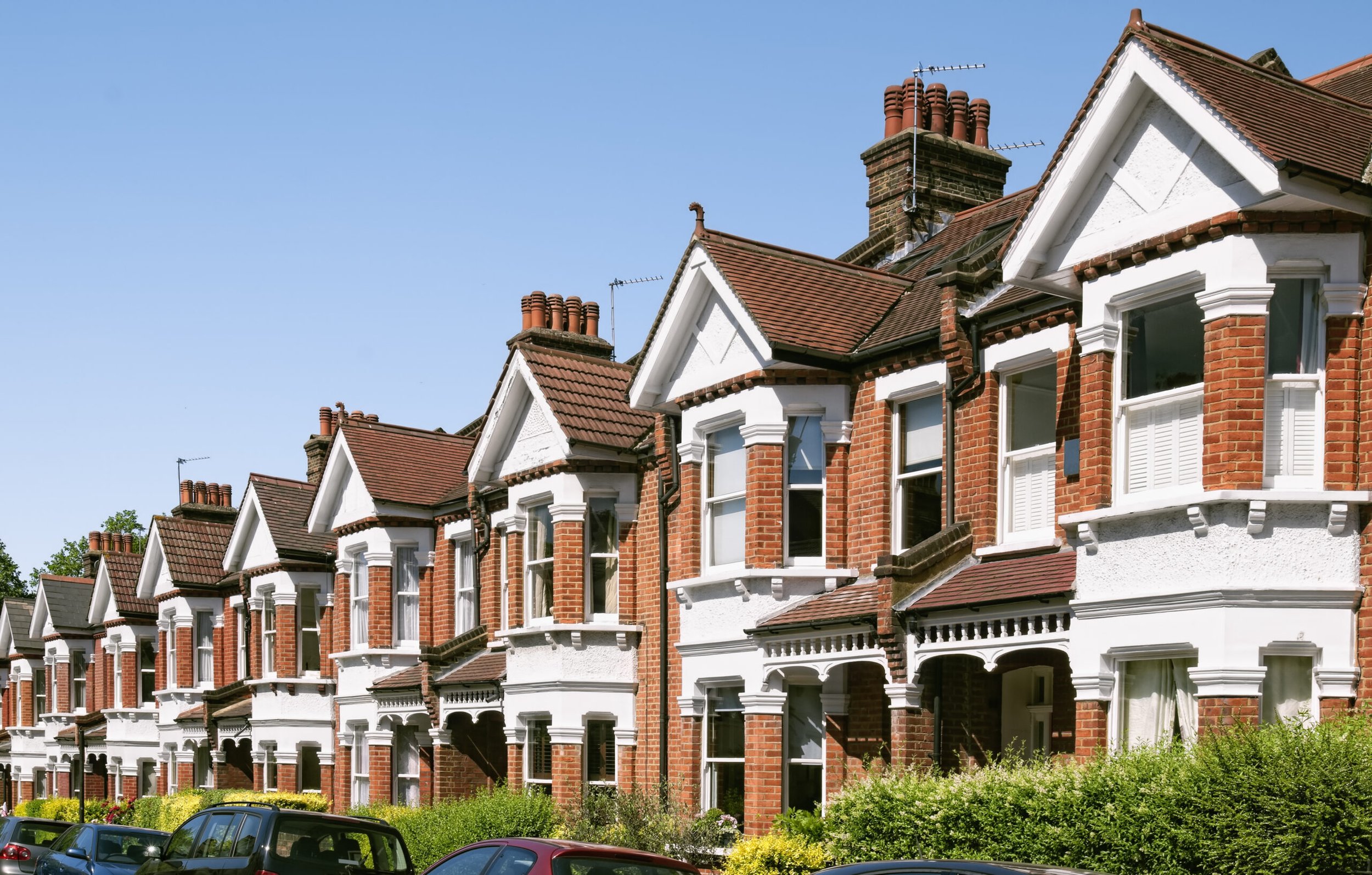
Terraced houses like these have driven UK buy-to-let returns of 2,130% since 1996, with rent accounting for 62% of the total
Every £1 put into the average UK buy-to-let property in 1996 is worth £22.30 today. That's a 2,130% total return, and according to new research from estate agency Hamptons, marking 30 years since the UK's first dedicated buy-to-let mortgage launched, it narrowly beats the S&P 500 and roughly triples the return of the FTSE 100 and gold over the same period.
For anyone weighing UK property against other assets, that's a striking number on its own. What makes it more relevant right now is that fresh 2026 data shows the same dynamic still playing out today: UK rents rising faster than house prices, month after month.
Rental income, not price growth, drove the return
Here's the detail that matters most: 62% of that 30-year return came from rent paid by tenants, not from the property's value rising. Only 38% came from capital growth. That's a fundamentally different return profile from equities, where price appreciation usually does most of the work, and it helps explain why rental property has stayed resilient through cycles that hit growth stocks much harder.
The investor profile has changed just as much as the numbers. Hamptons' data shows the typical 1996 landlord was 37, buying at an average price of £54,900 with a repayment mortgage. Today's average landlord is 51, buying at £360,600 (more than six times higher), and far more likely to use an interest-only loan (70%, up from a minority in 1996) and lock in a fixed rate (99%, up from just 26% thirty years ago). For a growing number of today's landlords, Hamptons notes, those original properties have become part of a wider family business, passed down to the next generation rather than sold, as accumulated equity gets reinvested across successive house price cycles. As Hamptons' head of research Aneisha Beveridge told The Times, few in 1996 predicted buy-to-let would become "one of the largest wealth-creation engines of modern British history."
UK rental yields are outpacing house price growth in 2026
That 30-year backdrop lines up closely with what's happening in the market today. According to Reuters' report on the latest ONS data, UK private rents rose 3.8% year-on-year in August 2026, the fastest pace recorded this year and up from 3.7% in July. Over the same period, annual house price inflation actually cooled, easing to 1.4% in July from 1.5% in June.
That gap is the story. Rental income, the component that has driven most of the 30-year return, is currently growing faster than the capital values underneath it. For investors focused on yield rather than short-term price speculation, that's the number worth watching closely in 2026.
What this means for overseas property investors
No 30-year run repeats itself exactly. Hamptons is upfront that stock markets have pulled ahead of property over the last five years specifically, with the S&P 500 up 75% against 41% for UK buy-to-let. But the combination of a three-decade track record built primarily on rental income, plus current data showing rents outpacing price growth, makes a strong case for treating UK residential property as an income-generating asset first and a capital-growth bet second. That's exactly how we frame every development we bring to clients: yield as the primary case, capital appreciation as the upside on top, not the other way around.
None of this is an argument for putting all your capital in one place. For most investors, UK property earns its spot as one part of a diversified portfolio, rather than replacing them, and the right mix depends on your own goals, time horizon and appetite for risk. We'd always encourage clients to talk to their wealth manager about how a property allocation fits into their wider holdings.