
Why Expats Are Investing in Dubai Property
Dubai has become one of the world’s most closely watched property markets – and not just for the obvious reasons.
For expats, the appeal isn’t only lifestyle or skyline. It’s the structure behind the market: strong demand drivers, globally competitive rental yields, a legal framework for investors, and a long-term growth agenda designed to keep capital flowing into the UAE.
In other words: people are repositioning around Dubai – financially, commercially, and increasingly, strategically.
So why is this? Let’s break it down.
1) Dubai’s population growth is translating into sustained housing demand
Property markets don’t rise in a vacuum. They rise when people arrive, stay, spend, and build their lives.
Dubai’s population has continued trending upward, with public reporting showing the city passing four million residents in 2025.
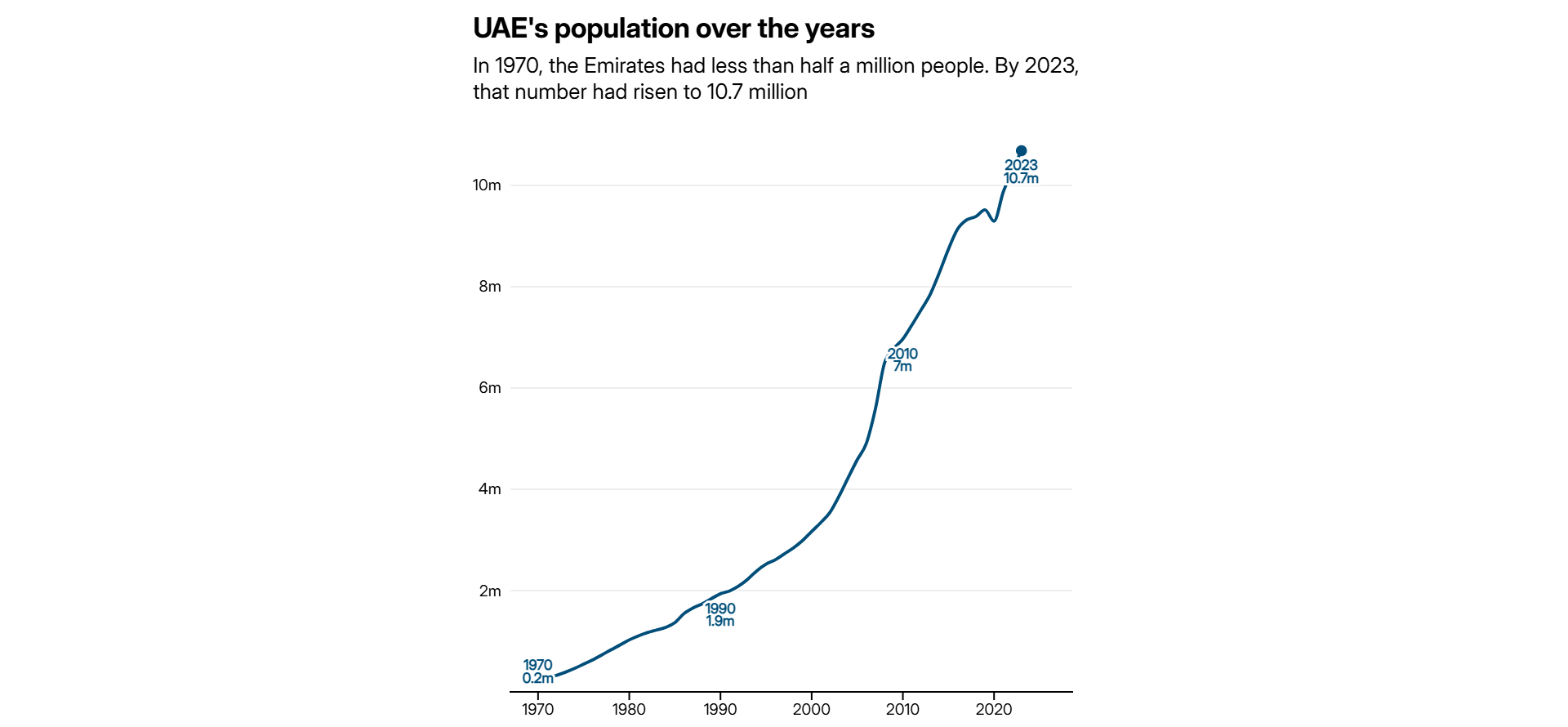
Source: UAE Federal Competitiveness and Statistics Center
That matters because population growth typically increases demand across:
long-term rentals
owner-occupied apartments and villas
serviced apartments and short-stay inventory
family-led relocations (larger homes, school proximity, established neighbourhoods)
For investors, that’s the core driver: a bigger resident base supporting stronger occupancy and pricing power.
2) UAE residency pathways make property ownership more strategic
Through the UAE’s Golden Visa framework, real estate investors may qualify for 10-year renewable residency when purchasing qualifying property — typically understood as AED 2 million+ in real estate value (approximately ~£430,000 / ~US$545,000), subject to documentation and approval.
In practice, this means property ownership becomes a pathway to long-term residency security – not just a financial play.
For many internationally mobile professionals, this changes the property decision from: “Should I invest in a property?” to “Should I invest in a jurisdiction?”
A residency-linked pathway can improve long-term optionality and often supports stronger demand from buyers who intend to hold assets, rather than flip them.
3) Rental yields are a major reason Dubai keeps showing up on investor radars
In many mature global cities, investors have become accustomed to low yields — sometimes relying almost entirely on long-term capital appreciation.
Dubai is different.
Knight Frank reporting indicates implied apartment rental yields in Dubai have averaged around the mid-to-high single digits in 2024.
It also strengthens the logic for owning property as an income-producing asset, rather than a “hope it goes up” bet.
4) Dubai’s property story is tied to deliberate long-term economic positioning
Dubai’s growth isn’t just property-led — it’s anchored in a wider economic agenda spanning tourism, business formation, finance, logistics, and talent inflow.
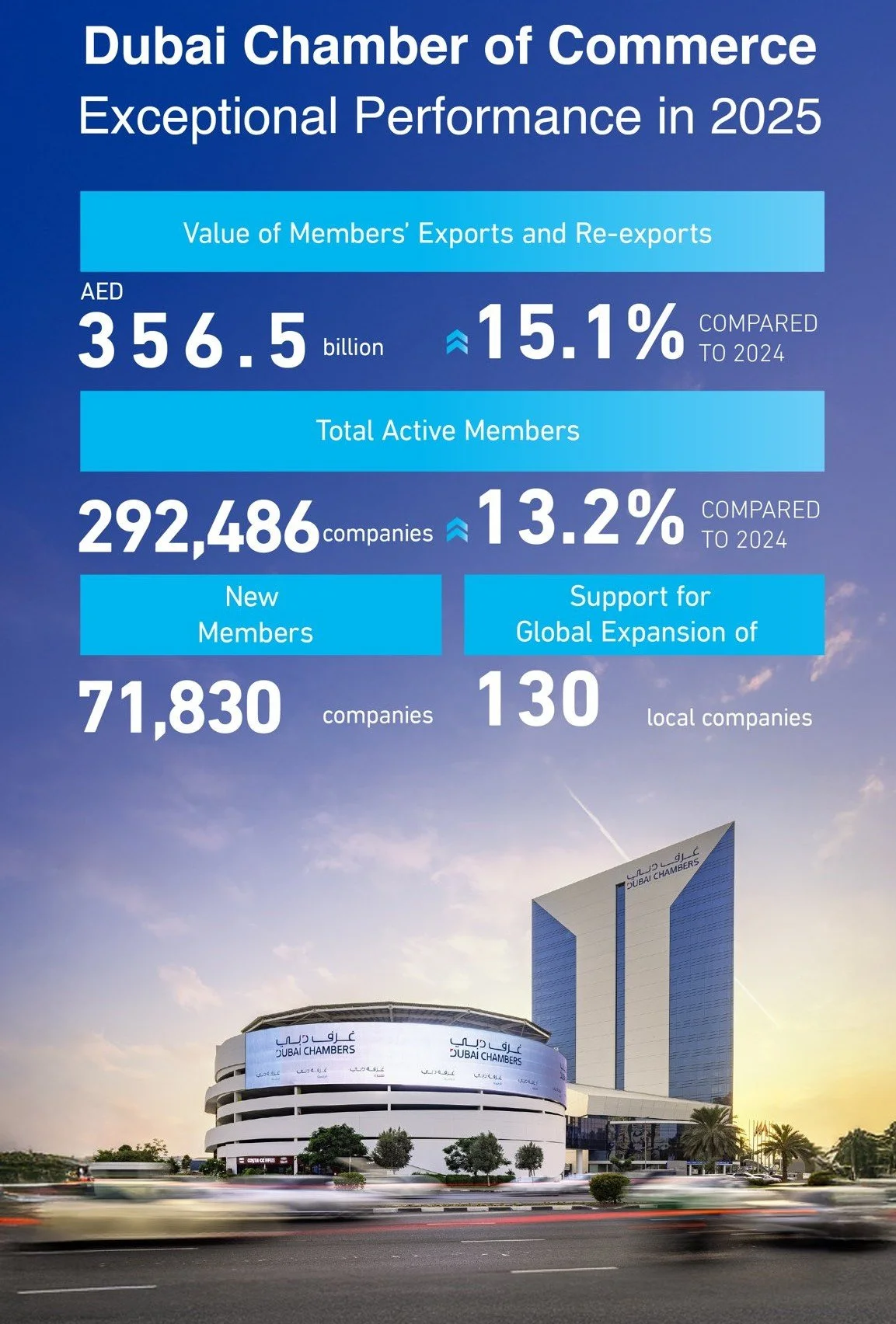
In 2025 alone, Dubai Chamber of Commerce reported 71,830 new companies joining, lifting total active membership to 292,486 by year-end (up from 258,318 in 2024).
At the financial hub level, Dubai is also scaling rapidly. The Dubai International Financial Centre (DIFC) recorded 1,081 new active registered companies in the first half of 2025, a 32% year-on-year increase, taking total active companies to 7,700.
For property investors, that matters because real estate performance is often strongest when it sits inside a broader ecosystem of job creation, migration, corporate expansion, and spending power – not just market momentum.
5) Connectivity is a demand driver
For expats, Dubai functions as a central hub between:
Asia
Europe
Africa
the wider Middle East
Globally connected cities tend to attract:
international hires
multinational firms
regional headquarters activity
travel-driven spending and tourism demand
When cities become hubs, housing demand becomes more international and more resilient — because demand isn’t dependent on one local segment alone.
6) The world’s largest airport plan is part of Dubai’s “future-proofing” strategy
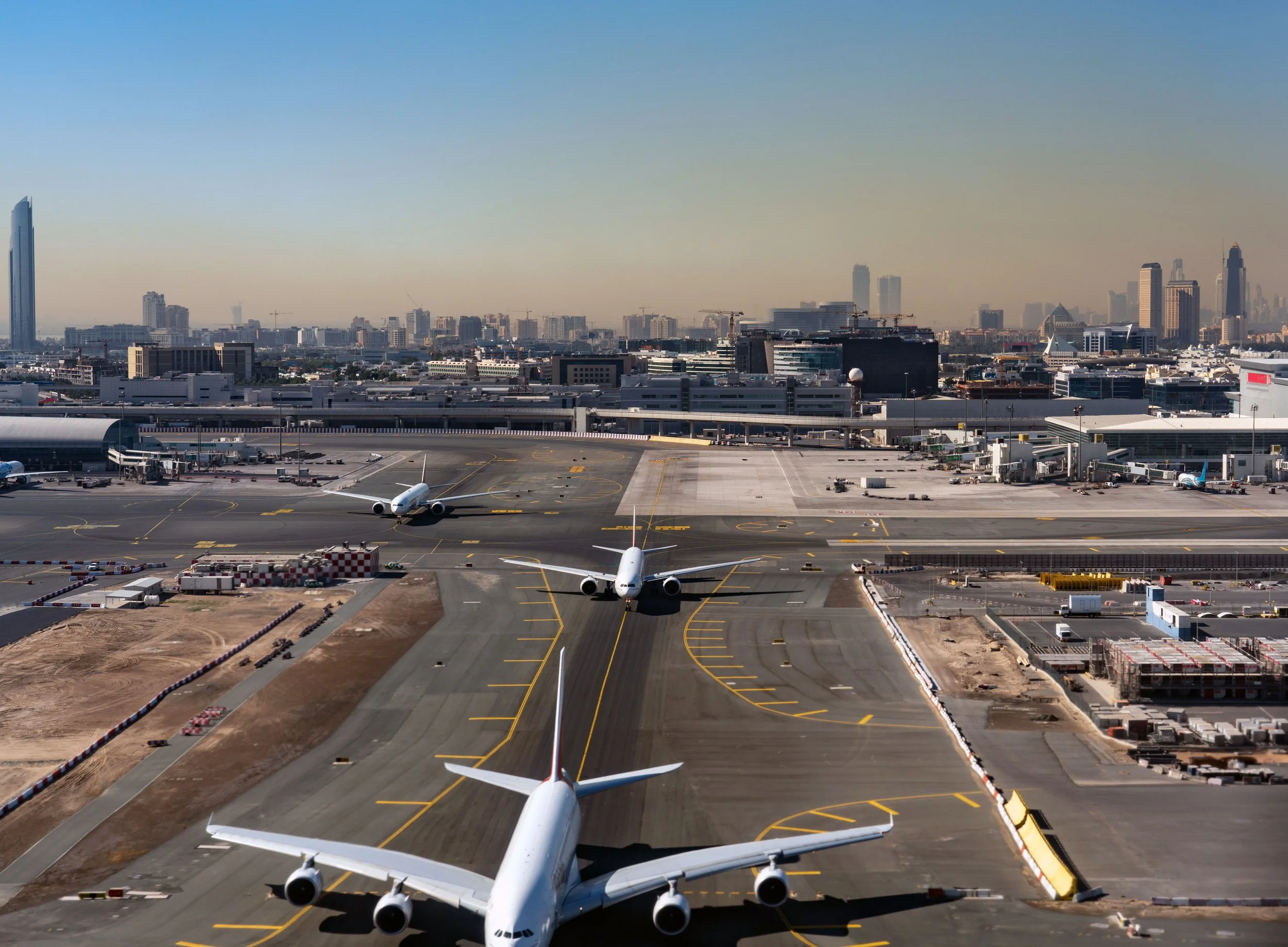
Dubai isn’t just expanding infrastructure, it’s also building what is planned to become the world’s largest airport by capacity.
Dubai has approved a major expansion at Al Maktoum International Airport (DWC), with Reuters reporting investment of around AED 128 billion (~US$35 billion). Once complete, the airport is expected to handle up to 260 million passengers annually, making it roughly five times the size of Dubai International Airport (DXB).
Importantly, it’s also reported that the new terminal at DWC is expected to open by 2032, with the UAE’s aviation strategy designed to shift the city’s main airport operations over in the coming years.
Whether you’re buying for rental income, appreciation, or long-term positioning, projects of this scale matter because they support:
sustained job creation
inbound tourism growth
long-term expansion corridors (new hubs, new demand zones)
improved logistics and business infrastructure
7) Dubai property is increasingly used as a portfolio diversifier
Expats are often earning in one currency, living in another cost base, and investing globally to build long-term optionality.
Dubai property is increasingly being used as:
a second-market exposure
a yield-producing asset in a globally recognised city
a hedge against being over-concentrated in one country’s property cycle
No market is risk-free — but Dubai’s role in portfolios has expanded because it offers a different profile compared with legacy markets where yields are lower and buying costs can be higher.
8) Tax positioning is a growing driver for UK-linked expats
For many UK expats and internationally mobile professionals, Dubai isn’t just a lifestyle upgrade — it’s becoming a serious financial decision.
The UAE is widely known for offering:
0% personal income tax
0% capital gains tax (CGT) for individuals
no inheritance tax
Against the backdrop of rising tax pressure in the UK, this has become a key reason people are exploring Dubai not only as a place to live, but as a base for long-term wealth planning and asset ownership.
For property investors, this matters because take-home income, exit gains, and intergenerational planning can significantly influence total returns — even when the property itself performs well.
9) UAE vs Dubai: the geography matters (and so does flexibility)
Dubai is not a country — it’s one of the emirates within the United Arab Emirates (UAE).
And yes, there are other places within the UAE where investors can buy property and potentially find value.
But Dubai remains the first point of entry for many international investors because it combines:
global familiarity
high liquidity
mature transaction infrastructure
broad tenant demand (professional + family + lifestyle-driven)
The bottom line
Dubai’s property story is not one single factor — it’s the convergence of:
sustained migration and lifestyle demand
globally competitive rental yields
residency frameworks designed to attract long-term capital
infrastructure expansion that keeps Dubai central to global movement
investor-friendly market mechanics and varied entry points
For expats, that combination is exactly why Dubai has entered the “serious consideration” category — not just as a lifestyle city, but as a global investment market.
Join the Dubai Property Educational Webinar (28 January, 2026)
If you’re exploring Dubai property as part of your global portfolio – or simply want to understand what’s driving the market right now – this session will cover:
why investors are allocating into Dubai
market performance and demand drivers
rental yield logic vs. capital growth logic
financing pathways for expats
where buyers are focusing right now
Webinar Sign-Up Link: https://register.gotowebinar.com/#register/4256308919736131416